

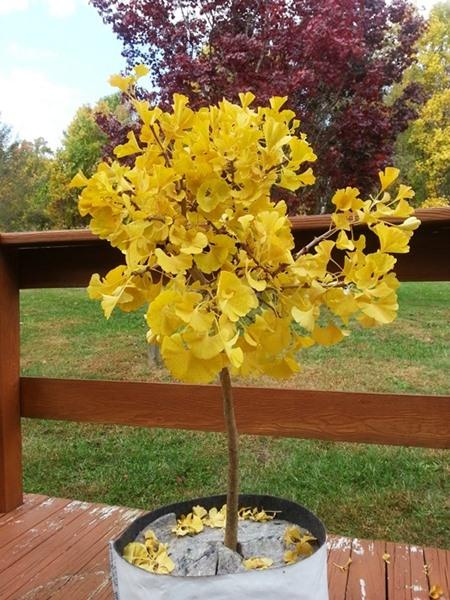
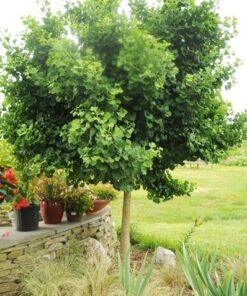
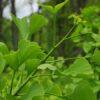
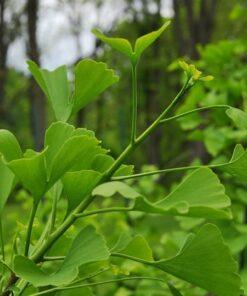
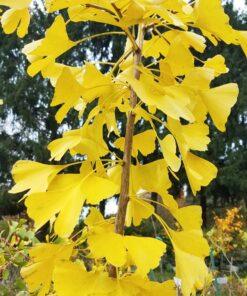
Ginkgo biloba ‘Mariken’ – This dwarf tree grows 5′- 6′ ft. tall x 6-8 ft. wide over 10 years. It is a very hard-to-find specimen and is an excellent addition to any landscaped garden. It is very unique, and adds beauty and perspective to cultured gardens. Like all Ginkgo’s it also has that gorgeous bright golden yellow leaf color for weeks in the fall. USDA zones 5-9
Related products
All Trees
Green Japanese Maples are beautiful and under-rated. They may even be more hardy than the red's.
Small Trees
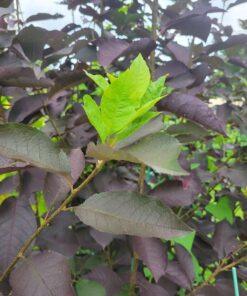
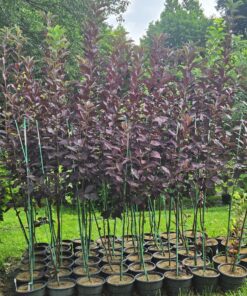
Prunus virginiana 'Canada Red' Chokeberry is a fast growing smaller native shade tree full of colorful red/ burgundy leaves, which is a great contrast to the many green leafed trees. The abundant small fruits are also red, and are a favorite of songbirds. It is a clean tree, and the fruits are retained on stem by the tree, and the birds eat the fruits while on the tree. Prunus virginiana Chokeberry is a brilliant and colorful performer. The Chokeberry tree is a wildlife tree attracting songbirds with its abundant small fruits. In addition, it is a pollinator tree, and will attract butterflies. This is a handsome small tree that contrasts and fits in nicely with other green foliage trees. You cannot go wrong with this tree, and it has many great attributes. Highly recommended!
Shade Trees
Ginkgo biloba trees are great as a lawn tree, street tree or shade tree. Beautiful, bright yellow leaves in the fall. It is a hardy and excellent upright tree specimen for narrow spaces. The Ginkgo, or Maidenhair tree is relatively fast growing and many people are intrigued with its leaf shape and unique branch structure. We highly recommend the Ginkgo tree!
All Trees
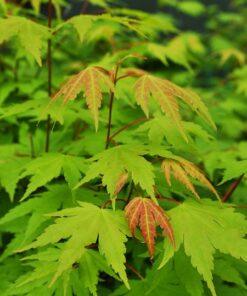
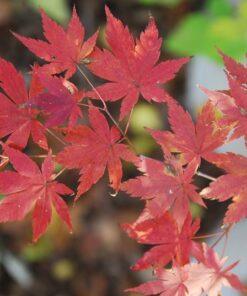
A beautiful alternative to the Japanese Maple tree, and a great addition to any landscape. The Korean Maple has beautiful green leaves that turn red and yellow in the spring and fall. This colorful tree specimen is part of the Maple family and has gorgeous spring, summer, and fall leaf color. The Acer pseudosieboldianum is a very worthy tree to add to any fine, or rare tree collection.
Specialty Trees
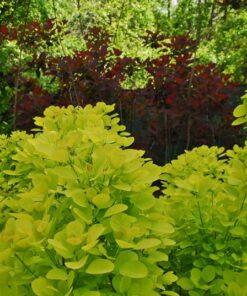
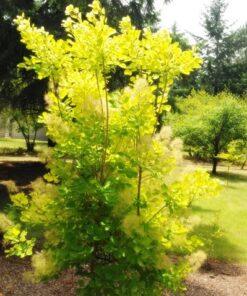
Golden Spirit Smoke tree is an amazing and hard-to-find specimen with beautiful lime green summer foliage and amazing fall color. This specimen catches everyone's attention for brilliant lime green color all summer long and delivers gorgeous fall colors!
Flowering Trees
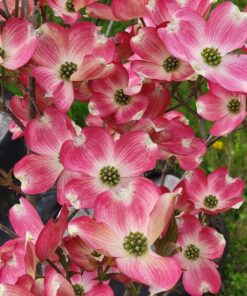
Cherokee Brave is an outstanding deep pink flowering Dogwood with great beauty and strong disease resistance. It is a hardy and proven performer among dogwoods. These trees bloom in April, and are one of the earliest bloomers. It is one of the deepest and most striking pink dogwoods available. It is highly recommended!
Flowering Trees
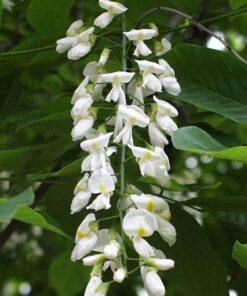
The American Yellowwood is a sought after fragrant and showy American native tree with beautiful white racemes flowers. It is a beautiful native tree with long graceful trunks and flowers around May/ June in USDA Zone 6. The white flowering racemes are quite showy.
Native Trees
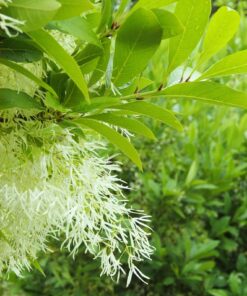
White Fringe Trees are a small beautiful single or multi-trunk white fringe flowering tree. It is a hard-to-find native tree, and is both beautiful, fragrant and hardy down to USDA Zone 3. These are small, yet stately wildlife trees with great branching structure and leaves. They are impressive and fragrant when in bloom, and are a perfect garden or yard tree that is approachable and a positive addition to every property.