

Quercus palustris, ‘Pin Oak’
$159.00
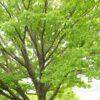
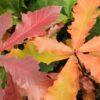
A native American oak known for its straight vertical trunk and with its leaves with pointed leaf tips. This is a fast growing and hardy native tree that also produces food for wildlife. It tolerates wet soil and is a very handsome specimen whether planted alone or in groups.
We grow these trees with a single straight central trunk to become the signature specimen and shape that the Pin Oak is known for.
| Weight | 50 lbs |
|---|---|
| size |
Related products
Flowering Trees
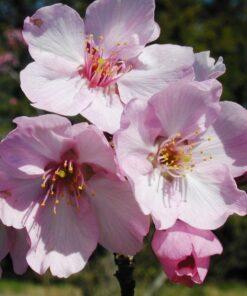
The Helen Taft Cherry tree is a fantastic flowering cherry tree variety named after a female trailblazer in the early 1900's who also happened to be the wife of President Howard Taft. She was one of the key people who helped create the Cherry Blossom arboretum along the Potomac river bordering Washington DC and Virginia. This specimen is a outstanding flowering tree specimen, and would look great in a grouping, or in a tree line! It is a deciduous upright tree with a spreading crown, reaching both a height and width of 20' x 25'+ after 25 years of growth. We find that this tree is very hardy with minimal problems with insects and disease. It is most comparable to its female parent, Prunus x yedoensis Yoshino, except for its slightly larger size and noticeably large pink flowers. This tree is a true winner, and we are quite impressed with its many positive characteristics. It is Highly recommended!
Small Trees
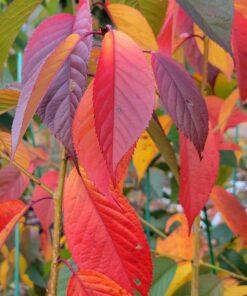
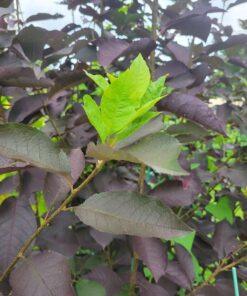
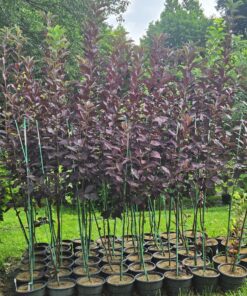
Prunus virginiana 'Canada Red' Chokeberry is a fast growing smaller native shade tree full of colorful red/ burgundy leaves, which is a great contrast to the many green leafed trees. The abundant small fruits are also red, and are a favorite of songbirds. It is a clean tree, and the fruits are retained on stem by the tree, and the birds eat the fruits while on the tree. Prunus virginiana Chokeberry is a brilliant and colorful performer. The Chokeberry tree is a wildlife tree attracting songbirds with its abundant small fruits. In addition, it is a pollinator tree, and will attract butterflies. This is a handsome small tree that contrasts and fits in nicely with other green foliage trees. You cannot go wrong with this tree, and it has many great attributes. Highly recommended!
Shade Trees
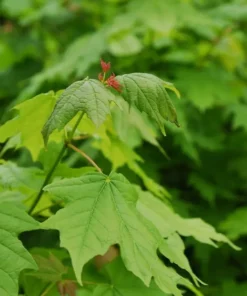
Sugar maple tree is a grand American native tree that puts on a spectacular fall display of yellow and orange leaves in the fall. It is truly an American favorite tree known for it beauty, summer shade, and gorgeous fall colors! It is well recognized especially in the Northeast US, and is the tree that creates the sap for Maple syrup. Explore the beauty and shade of the sugar maple tree, an iconic American native known for its vibrant autumn leaves. We get a lot of requests for this tree, and it is one of our favorites too. Limited availability.
Native Trees
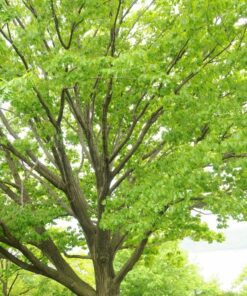
A fast growing native American variety of Oak known for its bright red fall color. The Quercus rubra or Northern Red Oak is an excellent and very popular wildlife and native tree with many positive attributes including its fast growth, water tolerance, shade production and wildlife food for deer, squirrels, and wild turkey.
All Trees
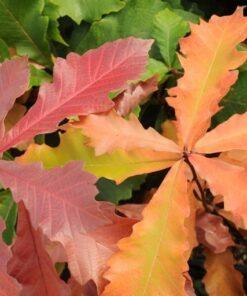
The swamp white oak has greater tolerance to wet areas and displays really beautiful multi-color leaves in the fall that are unique and inspiring. This is a beautiful tree to be seen and is native to USDA zones 3 - 9.
Shade Trees
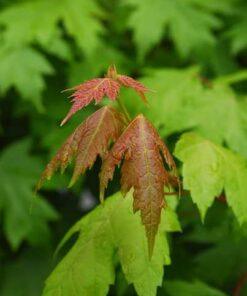
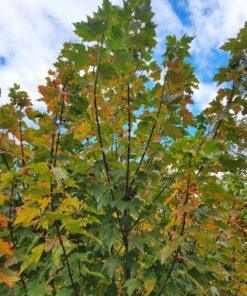
Sun Valley Maple is a fast growing tree that puts on a colorful leaf display in the fall. It holds onto its leaves well into the fall. It is a strong and consistent grower!
Flowering Trees
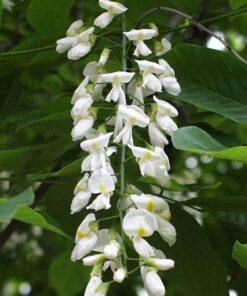
The American Yellowwood is a sought after fragrant and showy American native tree with beautiful white racemes flowers. It is a beautiful native tree with long graceful trunks and flowers around May/ June in USDA Zone 6. The white flowering racemes are quite showy.
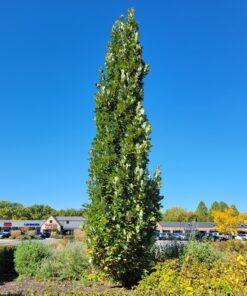
Columnar Trees
The Columnar English Oak offers the beauty and elegance of the English Oak in a upright narrow columnar form that becomes the star of a landscape design when planted in symmetrical groups of three or five.. The juxtaposition of these trees planted in a design can be breathtaking. These gorgeous trees put the full beauty of the English Oak in an approachable height to see up close and personal. The tight narrow upright form allows one to approach the tree and closely observe the beauty and delicacy of its leaves, acorns, and branching.