

Fagus sylvatica ‘Roseomarginata’
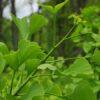
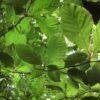
A gorgeous and eye catching pink, red, and green color leaves on this tri-color beech are truly exceptional in the spring, summer and fall landscape! The tri-color beech is a hard-to-find and exceptional specimen tree that is rarely seen and needs to be seen to be fully appreciated.
You will not find these anywhere, and we have 3 large beautiful specimens 7′- 9′ tall available (July 20th) now!
Related products
Small Trees
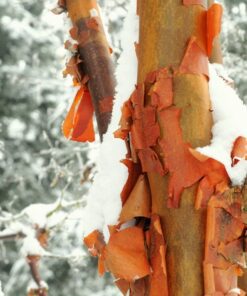
The Acer griseum, aka Paperbark Maple, is one of our absolute favorites! It has gorgeous exfoliating bark and outstanding fall leaf colors make this tree a must-have. This highly sought-after tree is treasured for its multi-color exfoliating bark making it a tree with high four season interest. It is a smaller tree that can also take shade, as well. Acer griseum maples have tri-foliate leaves,and is a small, deciduous, oval to oval-rounded tree with small upright branching. It is well known and highly prized for its beautiful exfoliating copper orange to cinnamon reddish/brown bark and its showy or ange to red fall color leaves! We can ship these trees to some Out-of-State customers with custom packaging and shipping rates. Please contact us for these rates, as we cannot ship everywhere, and special packaging and shipping rates do apply. If you have limited space and want a tree with the Wow factor, this tree will certainly provide that for you...
Shade Trees
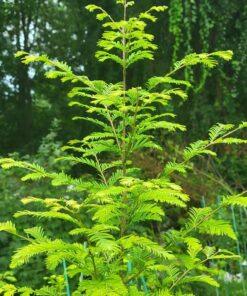
Dawn Redwood is a magnificent deciduous tree. It has gorgeous soft green needles, and is a fantastic and inspiring tree to see and grow. Dawn Redwood is a magnificent deciduous tree, and is a relative of the California redwood (Sequoia sempervirens) and giant sequoia (Sequoiadendron giganteum), diverging around 150 million years ago. Dawn redwood prefers a wetter environment to grow, and it needs full sun to grow its best when it is a larger tree. We start these as 'understory' trees and they love the high open canopy above them giving the good indirect light. It does best in moist to wet soils, so it can be a good choice for large rain garden locations. As with all trees a good organic planting location would be ideal for these trees.
All Trees
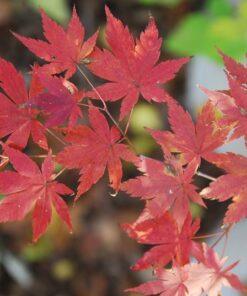
A beautiful alternative to the Japanese Maple tree, and a great addition to any landscape. The Korean Maple has beautiful green leaves that turn red and yellow in the spring and fall. This colorful tree specimen is part of the Maple family and has gorgeous spring, summer, and fall leaf color. The Acer pseudosieboldianum is a very worthy tree to add to any fine, or rare tree collection.
Native Trees
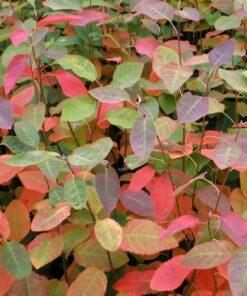
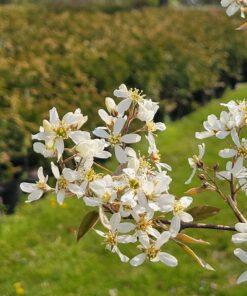
Amelanchier grandiflora, 'Autumn Brilliance'is a great native specimen producing white spring flowers and awesome fall colors for its multi-season display. These grow to 15' - 20' and are taller than wide. We grow single trunk specimens, but do have some multi-trunk as well. The Amelanchier looks great as a solo tree, or as part of a multi-specimen design. These are a truly very nice tree/ shrub and are fascination to see up close throughout the seasons. Autumn Brilliance puts on one of the best fall color displays of all of the serviceberry trees. It is a beautiful native flowering tree, and the birds love the berries that display in May/ June. It is a hard-to-find tree, and is also valuable as a wildlife tree because it attracts songbirds. It is also called June Berry, and has become one of our favorites.
Shade Trees
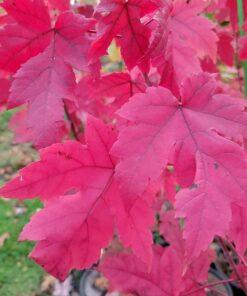
Autumn Blaze maple is an excellent and very popular Red & Silver Maple hybrid is an upright, fast-growing, deciduous shade tree with outstanding blazing fall colors. It is one of the very best autumn and fall color maple trees. This variety is fast growing, tolerates clay, and wet soils. You will be very happy with these spectacular trees!
Specialty Trees
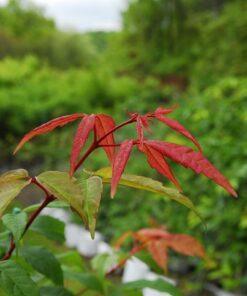
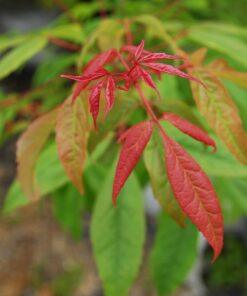
A rare and exquisite maple variety from Asia that is very cold hardy and also displays gorgeous colors with its new spring growth and fall color. This is a perfect rare tree variety for a tree collector for their gardens. It would fit in well in a Japanese garden, or shade garden. We have a limited collection of these rare trees, and you will not find these anywhere else.
Native Trees
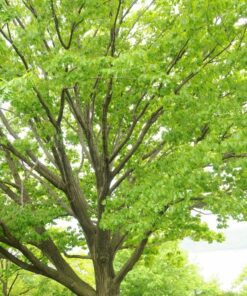
A fast growing native American variety of Oak known for its bright red fall color. The Quercus rubra or Northern Red Oak is an excellent and very popular wildlife and native tree with many positive attributes including its fast growth, water tolerance, shade production and wildlife food for deer, squirrels, and wild turkey.
Wetland Trees
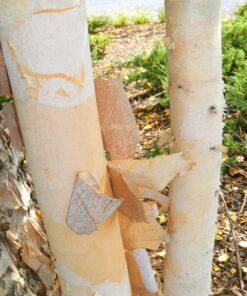
River Birch, 'Heritage'is a special cultivar with white and peach colored exfoliating bark. Please note that we sell the single trunk version only and these particular trees can grow up to 3' - 4' per year. They are hardy, more resistant to insects and disease, are well adapted to wet soils, and are fast growing. They also provide some screening with their branching.