
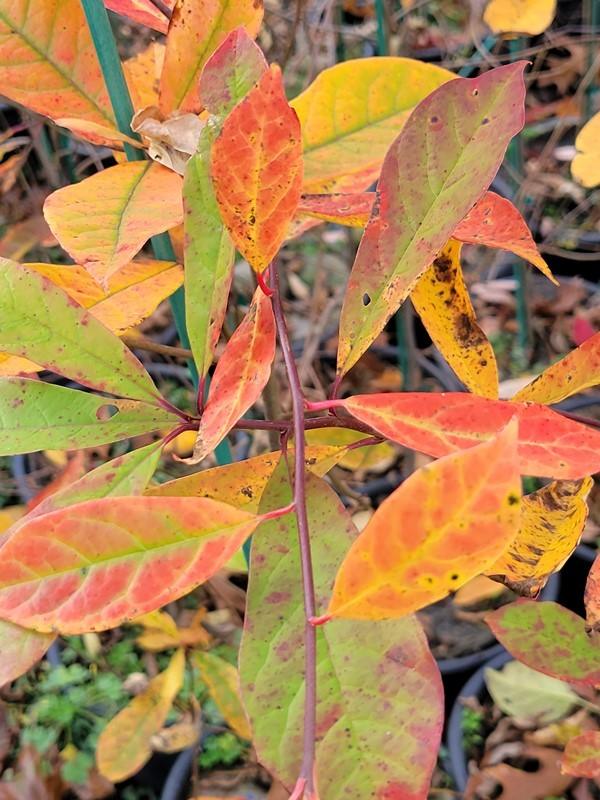
Nyssa sylvatica, ‘Blackgum Tree’
$149.00
The Tupelo, Sour Gum, or Blackgum Tree is an American Native Tree. It is a wetlands and wildlife tree that has fabulous fall color leaves well into November in zone 6. It is a medium to fast growing tree especially with regular fertilization. It is a dioecious tree requiring both male and female of the species to fruit. The small fruits mature to a dark blue and are attractive to birds and wildlife. This tree has spectacular scarlet fall color.
The genus name comes from Nysa or Nyssa, one of the water nymphs. It is a great all around and hardy tree growing in zones 3 – 9, and handles wetlands and forested areas well.
Related products
Shade Trees
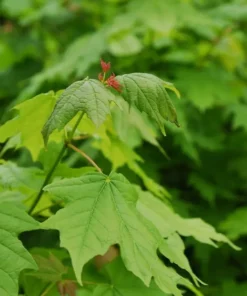
Sugar maple tree is a grand American native tree that puts on a spectacular fall display of yellow and orange leaves in the fall. It is truly an American favorite tree known for it beauty, summer shade, and gorgeous fall colors! It is well recognized especially in the Northeast US, and is the tree that creates the sap for Maple syrup. Explore the beauty and shade of the sugar maple tree, an iconic American native known for its vibrant autumn leaves. We get a lot of requests for this tree, and it is one of our favorites too. Limited availability.
All Trees
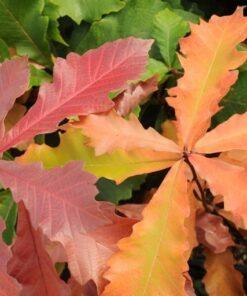
The swamp white oak has greater tolerance to wet areas and displays really beautiful multi-color leaves in the fall that are unique and inspiring. This is a beautiful tree to be seen and is native to USDA zones 3 - 9.
Shade Trees
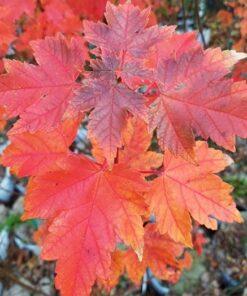
October Glory Maple is a fast growing and colorful Red Maple that holds both its leaves and color deep into the fall. This is a highly sought after and often difficult to find Red Maple. This variety is fast growing, tolerates clay, and wet soils.
Privacy Trees
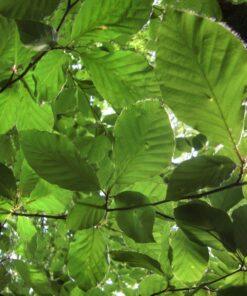
The European Beech tree is a fantastic tree with a tremendous history. It is also the quintessential hedge tree that for thousands of years has been the hedge tree of choice! As a hedge tree, it forms a solid specimen that offers four season beauty and the toughness of a hedge to provide privacy and even security with its stout trunk and branching. The noble European estates and castles all planted the European beech to provide protection, privacy, and even to demarcate their large properties and estates.
Flowering Trees
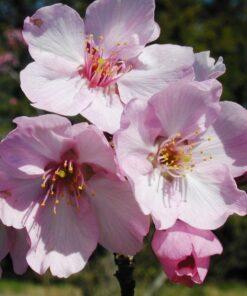
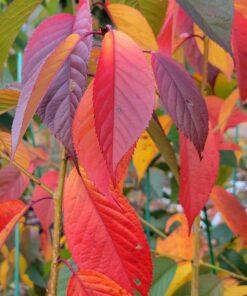
The Helen Taft Cherry tree is a fantastic flowering cherry tree variety named after a female trailblazer in the early 1900's who also happened to be the wife of President Howard Taft. She was one of the key people who helped create the Cherry Blossom arboretum along the Potomac river bordering Washington DC and Virginia. This specimen is a outstanding flowering tree specimen, and would look great in a grouping, or in a tree line! It is a deciduous upright tree with a spreading crown, reaching both a height and width of 20' x 25'+ after 25 years of growth. We find that this tree is very hardy with minimal problems with insects and disease. It is most comparable to its female parent, Prunus x yedoensis Yoshino, except for its slightly larger size and noticeably large pink flowers. This tree is a true winner, and we are quite impressed with its many positive characteristics. It is Highly recommended!
Shade Trees
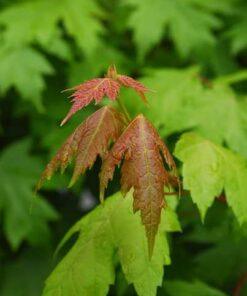
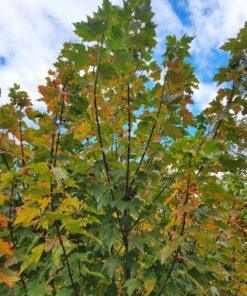
Sun Valley Maple is a fast growing tree that puts on a colorful leaf display in the fall. It holds onto its leaves well into the fall. It is a strong and consistent grower!
Flowering Trees
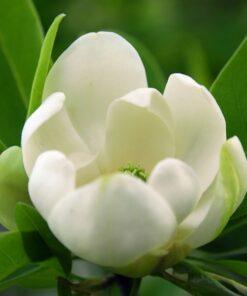
Henry Hicks Magnolia is a smaller pyramidal shaped semi-evergreen magnolia that is unique and hard-to-find. This specimen can grow eventually to 20' and has a more dense leaf foliage throughout its pyramidal shape even through winter. It can selectively be placed as a decorative privacy tree.
Shade Trees
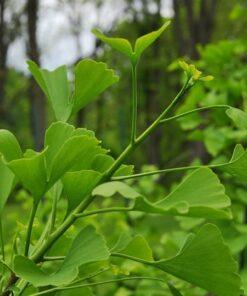
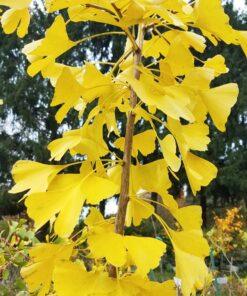
Ginkgo biloba trees are great as a lawn tree, street tree or shade tree. Beautiful, bright yellow leaves in the fall. It is a hardy and excellent upright tree specimen for narrow spaces. The Ginkgo, or Maidenhair tree is relatively fast growing and many people are intrigued with its leaf shape and unique branch structure. We highly recommend the Ginkgo tree!